
Why Does the Filling Method Matter for the Quality of a Carbonated Drink?
When you open a chilled bottle of soda, soft drink, kombucha, or another sparkling beverage, you expect that familiar fizz, bubbles, and refreshing sensation to remain enjoyable until the last sip. But have you ever wondered why some carbonated drinks retain their sparkle better than others?
The answer goes beyond the amount of carbon dioxide (CO₂) added to the beverage. The way a drink is transferred into its container and sealed can have a significant impact on carbonation retention, product consistency, and the overall drinking experience.
For beverage manufacturers, choosing the right filling technology is therefore an important part of producing a consistent and high-quality carbonated drink.
The Impact of the Filling Process on Carbonation Retention
Carbonated beverages contain dissolved carbon dioxide. When the pressure and temperature around the beverage change during filling, some of that CO₂ can escape from the liquid.
If the filling process is not properly controlled, excessive foaming or gas loss may occur. This can result in variations in carbonation levels and unnecessary product loss during production.
A carefully designed filling process helps control these conditions and allows the beverage to enter the bottle with minimal disturbance.
The Importance of Carbonation in the Consumer Experience
Carbonation is more than just bubbles. It contributes significantly to the sensory experience of a soft drink or sparkling beverage.
The sound when a bottle is opened, the visible bubbles, the mouthfeel, and the refreshing sensation all influence how consumers perceive the product.
If a beverage loses too much carbonation during production or storage, the difference may become noticeable when the bottle is opened. A drink that becomes flat quickly may not deliver the experience that the consumer expects from the brand.
For manufacturers, maintaining consistent carbonation is therefore an important part of maintaining product quality and customer satisfaction.
Understanding Counter Pressure Filling Technology
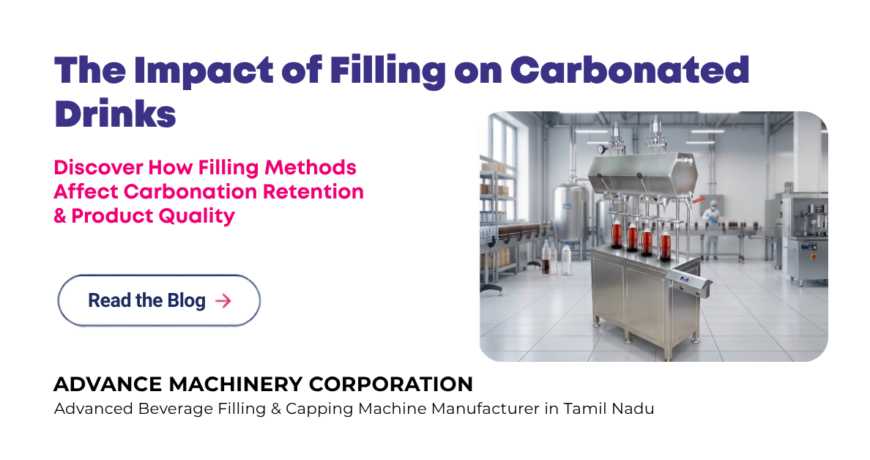
Counter pressure filling is a commonly used method for carbonated beverage applications. In this system, pressure is established inside the bottle before the beverage is introduced.
By creating a controlled pressure environment, the difference between the beverage and the bottle is reduced. This helps minimize sudden CO₂ release and excessive foaming during the filling stage.
The principle is straightforward: the more controlled the filling environment, the easier it is to preserve the carbonation already present in the beverage.
Counter pressure filling technology can be used with different packaging formats, including PET and glass bottles. Depending on production requirements, manufacturers can choose from manually operated, pneumatically operated, semi-automatic, and rotary filling systems.
How Filling and Capping Work Together in Beverage Production
Filling is only one part of the packaging process. Once the carbonated beverage enters the bottle, it needs to be sealed promptly and effectively.
An appropriate capping system helps protect the beverage from leakage and external contamination while supporting the retention of carbonation inside the container.
Bottle design and closure type also need to be considered when selecting equipment. This is particularly relevant for manufacturers using glass and Goli bottles, where the bottle dimensions, filling valves, and capping arrangement must work together correctly.
A suitable Capping Machine for Bottles can help achieve consistent sealing across the production line and reduce packaging-related issues.
Glass or PET: Does the Bottle Material Affect Machine Selection?
The choice between glass and PET bottles is not simply a packaging decision. It also influences the machinery required for handling, filling, and capping.
Glass bottles are commonly associated with premium beverages, traditional soft drinks, and reusable packaging systems. PET bottles, on the other hand, are lightweight and widely used for high-volume beverage distribution.
Each packaging format has different handling requirements. The filling equipment must therefore be compatible with the bottle material, size, shape, and closure system.
Manufacturers working with glass and Goli bottles may also need to source suitable bottles and packaging components from experienced Glass and Goli bottle Dealers.
Key Factors to Consider When Choosing a Filling Machine
There is no single filling system that is suitable for every beverage manufacturer. The right equipment depends on several factors, including:
Type of carbonated beverage
Required carbonation level
Bottle material
Bottle size and shape
Production capacity
Desired level of automation
Filling accuracy
Foaming control
Capping requirements
Available production space
Maintenance and operating requirements
Production volume is particularly important. A small beverage manufacturer may have different machinery requirements from a large-scale production facility supplying multiple markets.
Manufacturers evaluating Soda and Soft Drink Machines for PET should therefore consider the complete production process rather than selecting a filling machine based only on its output capacity.
How Can the Right Filling Technology Improve Production?
Selecting suitable filling technology can have an impact on several areas of beverage production.
A well-matched system can help manufacturers achieve:
Better filling consistency: Controlled filling conditions can help maintain uniform product quality across bottles.
Reduced product wastage: Improved control over foaming and filling can minimize unnecessary beverage loss.
Efficient production: Appropriate automation can help manufacturers achieve their desired output while reducing repetitive manual operations.
Reliable packaging: Filling and capping equipment that work together can provide more consistent bottle sealing.
Better quality control: A properly designed production line makes it easier to monitor important stages of beverage processing and packaging.
The objective is not simply to fill more bottles per hour. It is to create a production process that consistently delivers the expected product quality.
Why Is the Right Machinery Partner Important?
Choosing beverage machinery is a long-term investment. While purchase price and production capacity are important, manufacturers should also consider machine quality, technical support, spare parts availability, installation assistance, customisation, and after sales service.
An experienced machinery manufacturer can help businesses evaluate their beverage, packaging format, production capacity, and automation requirements before recommending suitable equipment.
For businesses looking for a Soda Machine Manufacturer or a Glass Bottle Capping Machines Manufacturer, understanding the complete filling and packaging process can make the equipment selection process more informed.
Advance Machinery Corporation: Supporting Beverage Manufacturing
Advance Machinery Corporation provides machinery solutions for beverage manufacturers working with different production and packaging requirements.
From filling and capping to related beverage processing and packaging applications, the right equipment can help manufacturers establish a production line suited to their product and operational needs.
Whether a business is setting up a new beverage manufacturing unit or upgrading an existing facility, machinery selection should be based on practical production requirements rather than simply choosing the fastest or most automated machine available.
The Takeaway
The quality of a carbonated beverage is influenced by what happens throughout the production process not just by the ingredients or carbonation method.
Filling technology plays an important role in controlling foaming, reducing unnecessary CO₂ loss, and maintaining consistency as the beverage moves into its final container. Capping and bottle compatibility are equally important in completing the packaging process.
For beverage manufacturers, the right approach is to evaluate the entire system from filling and bottle handling to capping and quality control.
Because when the bottle is finally opened by the consumer, the fizz they experience is the result of decisions made much earlier on the production line.
